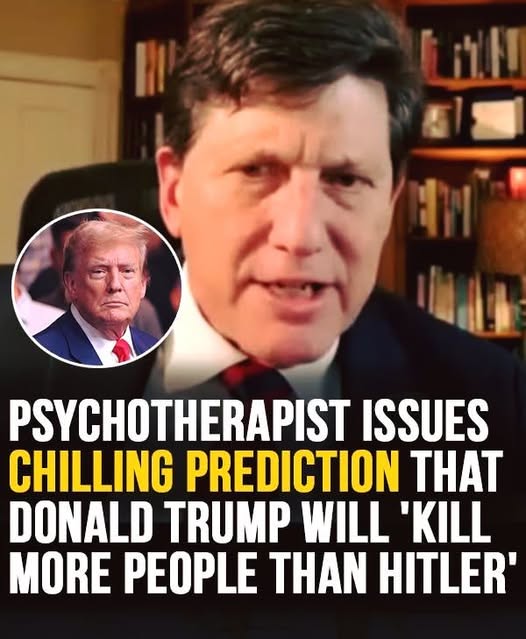
Psychotherapist John Gartner is among several mental health professionals who have publicly expressed concern about the behavior and public statements of Donald Trump. Over the past several years, critics of Trump have repeatedly questioned his temperament, decision-making style, and communication patterns, especially during periods of intense political tension and international conflict. These concerns became more visible after Trump returned to the White House, as political opponents.
Commentators, and some mental health experts argued that his speeches and social media activity appeared increasingly aggressive and unpredictable. Supporters, however, strongly rejected those claims, insisting that Trump’s behavior reflects his political style rather than any medical condition. It is important to note that there is currently no public medical evidence proving that Donald Trump suffers from dementia or any other cognitive illness.
No official diagnosis confirming such claims has been released by Trump’s physicians or by any recognized medical authority connected to the White House. Dr. Gartner, who founded the organization Duty To Warn, has nevertheless continued speaking publicly about what he believes are dangerous behavioral patterns. Duty To Warn is a group made up of mental health professionals and private citizens who argue that experts have an ethical obligation to warn society if they believe a public figure may pose a serious risk.
During an interview on SiriusXM radio with political commentator Dean Obeidallah, Gartner argued that Trump’s public conduct may indicate cognitive decline. According to Gartner, he believes Trump demonstrates signs consistent with severe narcissism and possible dementia-related deterioration affecting judgment and impulse control.
Gartner specifically focused on what he described as “grandiose” behavior. He referenced social media posts and public remarks in which Trump compared himself to historical figures or portrayed himself in highly symbolic ways. Critics have often cited these moments as examples of Trump presenting himself as uniquely powerful or unfairly persecuted.