He was raised in a small town in Indiana, yet he remarkably became the world-renowned frontman of one of the most legendary bands in rock history. His journey is almost hard to believe — particularly when you consider the environment he came from.
As a child, he was taught that women were “evil,” that domestic violence was a norm, and he endured traumas that most children could hardly fathom.
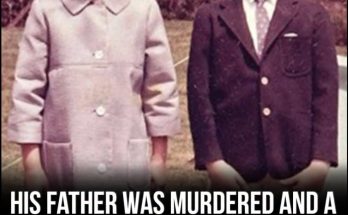
His father was murdered.
He possesses an incredible, powerful voice that has been celebrated as the greatest of all time. He is one of the best-selling artists in music history and a proud member of the Hall of Fame.
A boy from the Midwest who broke free from the rigid, confining rules of the “corn belt” upbringing he experienced, determined to show that they did not define him.
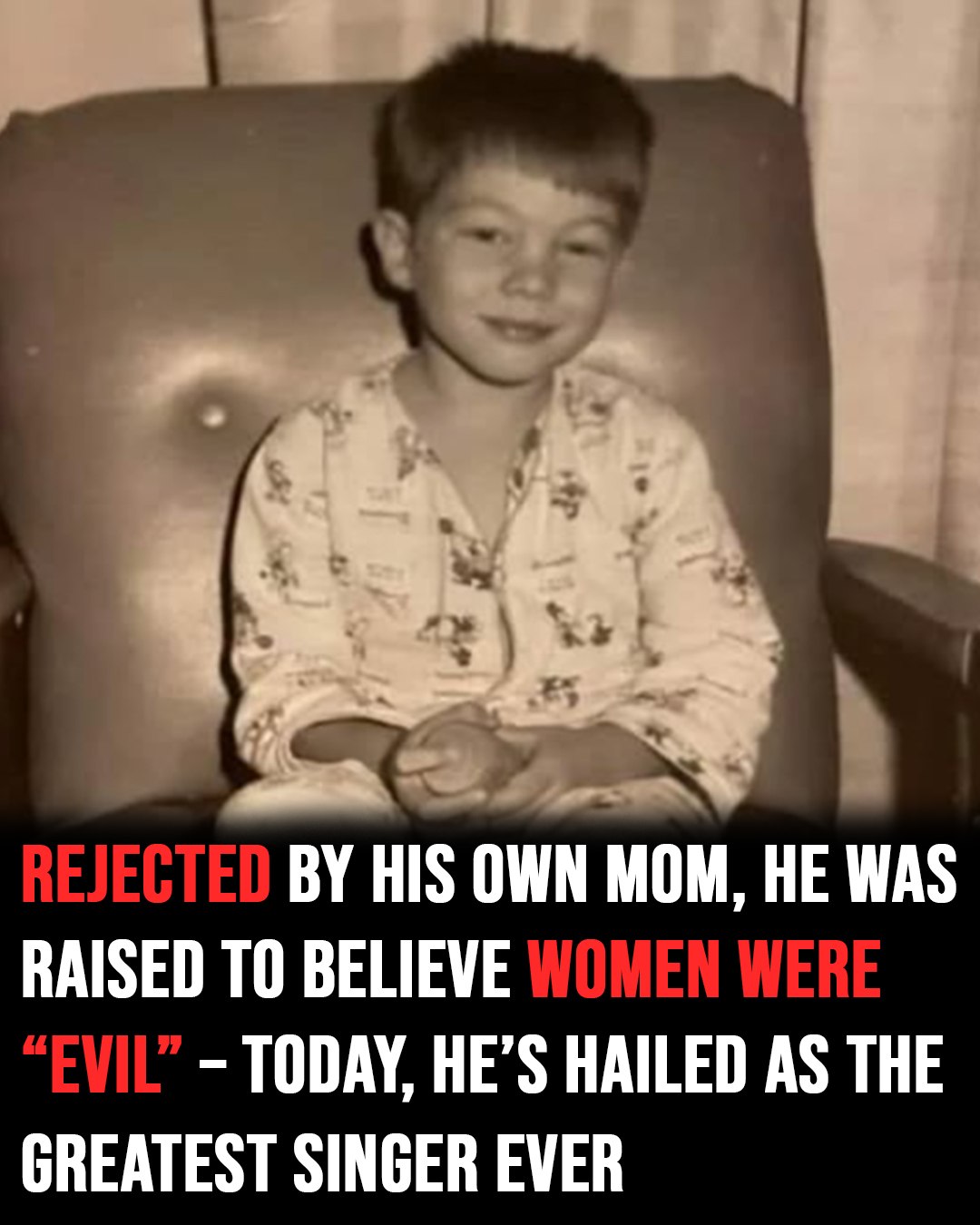
Born in Lafayette, Indiana, this future icon entered the world on a February day in 1962, named William. His mother was only 16 when she had him, and his father was 20. His father would later be described as “a troubled and charismatic local delinquent.”
The couple separated when young William was around two years old. His father then kidnapped him and reportedly abused him before disappearing from Lafayette. Eventually, his mother remarried Stephen L. Bailey and changed her son’s name to William Bruce Bailey.
Until he turned 17, he believed Bailey was his biological father. He never met his real father as an adult; he was murdered in 1984 in Marion, Illinois
The Bailey home was deeply religious. Our future star attended a Pentecostal church multiple times a week and even taught Sunday school. Reflecting on his upbringing, he described the atmosphere as stifling:
“We’d have televisions one week, then my stepdad would throw them out because they were Satanic… Women were evil. Everything was evil.”
The rock legend has shared that his father was both physically and emotionally abusive towards him. When Barry Manilow’s song Mandy played on the radio, the young boy sang along, only to be slapped by his stepfather for the song being considered “evil.”
To add to his frustration, he mentioned that his mother allowed the abuse to occur, a theme he later incorporated into his songwriting. In a conversation with Rolling Stone, he reflected:
“I’ve been doing a lot of work and discovered that I’ve harbored a lot of resentment towards women. Essentially, I’ve felt rejected by my mother since I was a baby,” he stated.

“She chose my stepfather over me from the moment he entered our lives, and I had to endure watching him hurt me. Most of the time, she stayed back. Only when things escalated did she come to comfort me afterward. She wasn’t there for me.”
If home life was far from perfect, school was hardly any better for the red-headed boy. By the time he reached eighth grade, he had developed a tough exterior. A former cross-country coach recalled in 1991 that, as a young and relatively unknown kid, he faced bullying from his teammates. They once taped his mouth shut and, on another occasion, shoved him into a locker for his incessant talk about his future goals.
“We all just sat back and laughed at [his claims], saying, ‘Sure, Bill, we’ve heard this before,’” the coach recounted to the AP. “He insisted, ‘No, just wait, I’m going to make it.’”
His resentment towards his home state ran deep; he even likened it to a prison — and to Auschwitz. In his late teens, a psychiatrist diagnosed him with bipolar disorder after interpreting his rebellious and delinquent actions as signs of psychosis.
The truth about his biological father
However, music provided him with a means of escape. From the age of five, he sang in the church choir and performed with his siblings as the Bailey Trio. William also joined the chorus and began taking piano lessons.
His fifth-grade teacher remembered him growing up in Lafayette as “very bright, very friendly, always smiling. If you weren’t careful, he’d take over the classroom.”
But at 17, after discovering the truth about his biological father, he began to spiral down a troubled path. Rather than rebelling quietly, he outright rejected everything he had been taught was right, normal, or acceptable.
He was arrested over 20 times and spent up to three months in jail. Facing the possibility of habitual offender charges, he made the decision to relocate to Los Angeles in December 1982.
Legendary rock band
Upon arriving in The City of Angels, he aimed to become a rock star, a dream ignited by the sounds of ’70s legends like Queen, Aerosmith, and Elton John.
He formed a band named AXL, and if you’re starting to connect the dots, you may already have an idea of who we’re discussing. While playing in the band, friends encouraged him to adopt the name “Axl Rose” — and the rest is rock history. He later legally took on the name W. Axl Rose, using his biological father’s surname.
In March 1985, Guns N’ Roses came to life when Rose joined forces with guitarist Izzy Stradlin from Hollywood Rose, along with guitarist Tracii Guns, bassist Ole Beich, and drummer Rob Gardner from L.A. Guns.
After signing with Geffen Records in 1986, the lineup that would achieve legendary status began to form: Axl Rose on vocals, Slash on lead guitar, Izzy Stradlin on rhythm guitar, Duff McKagan on bass, and Steven Adler on drums.
By 1987, Guns N’ Roses burst onto the music scene. With their tattoos, wild hairstyles, and rebellious spirit, the rock band became a vibrant icon.
Their first album, Appetite for Destruction, was released in July of that year. Initially, it was a gradual success — selling about 500,000 copies in its first year — but through relentless touring, growing excitement around the “Welcome to the Jungle” video, and the massive hit single “Sweet Child o’ Mine,” the album soared to No. 1.

Today, Appetite for Destruction has achieved sales of over 30 million copies globally, with 18 million of those in the U.S., making it the highest-selling debut album in U.S. history.
Axl’s distinctive voice, commanding presence, and rebellious image set him apart as a unique figure in the annals of rock history.
However, fame came with its share of chaos. The late ’80s and ’90s were filled with extensive touring, internal band disputes, and controversies that made headlines. Axl’s quest for perfection and his unpredictable temper contributed to his reputation for being erratic—yet they also solidified his position as a rock legend who would not compromise his artistic vision.
Despite the challenges, including changes in the lineup, public disputes, lawsuits, allegations of sexual assault, and lengthy periods of inactivity, Axl continued to grow and evolve.
Private life
He is widely regarded as one of the greatest rock vocalists ever, receiving accolades from publications like Rolling Stone and New Musical Express. In 2012, he was inducted into the Rock and Roll Hall of Fame as a member of Guns N’ Roses — but in true Axl style, he chose not to attend the ceremony and requested that he be left out of the museum’s exhibits.
Throughout the years, this rock icon has fiercely guarded his music and legacy, ultimately leading Guns N’ Roses back to stadium tours where they perform classic albums in their entirety. Although he acknowledges that years of touring have impacted his legendary voice, he still manages to deliver electrifying performances.
Axl Rose has largely kept his personal life under wraps, but his relationships during the late ’80s and early ’90s were quite tumultuous. In 1989, he expressed that he didn’t want children because his career wouldn’t allow him the time to devote to them: “I don’t want kids because I can’t give them enough time, but if I had a son, I’d want him to share everything with me.”

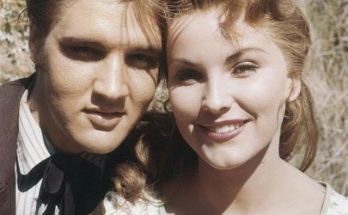
At that time, he was in a relationship with Erin Everly, whom he had met in 1986. She was his first serious partner and had dreams of starting a family. The two got married, but their relationship faced many challenges. Everly initially provided financial support by working as a model while Rose struggled to make it as a musician. He wrote the song “Sweet Child o’ Mine” for her, and she even appeared in the music video for the song.
Later on, she disclosed that Rose had emotionally and physically mistreated her, and there was a time when she had to be hospitalized. Everly became pregnant, hoping it would strengthen their bond. However, Rose reportedly reacted with rage, throwing her out and making threats regarding the baby. Unfortunately, she experienced a miscarriage at three months.
Their marriage came to an end shortly after, with the annulment completed in January 1991. Everly later took legal action against Rose for the abuse she suffered, which was settled out of court.
Axl Rose today
In late 2025, Rose made news for a dramatic meltdown on stage during a concert in Buenos Aires, proving that even now, Axl’s intensity and unpredictability are still very much alive.
His onstage outbursts in the ’80s and ’90s became legendary. One particularly infamous incident occurred in July 1991 in St. Louis when he noticed an unauthorized fan filming the concert with a camcorder. He jumped into the crowd to confront them, then returned to the stage and exclaimed:
”Well, thanks to the lame-ass security, I’m going home.”
The concert ended abruptly, leading to a riot among the frustrated audience. Rose faced legal charges over the incident, but they were ultimately dismissed.
In a 1990s interview with the LA Times, Axl Rose shared that he sought therapy to address his issues and harmful behavior.
“I was informed that my mental wiring was all messed up . . . particularly in how I managed stress due to my experiences back in Indiana,” he explained. “Essentially, I would become overwhelmed by the stress of a situation . . . by breaking anything in my vicinity.”
From a childhood marked by pain and loss to the pinnacle of rock stardom, Axl Rose’s story is truly unique. He transformed trauma into music, anger into creativity, and challenges into a voice that continues to resonate globally.
Love, heartbreak, fame, legal battles, and rage — he has experienced it all, demonstrating that even the most challenging beginnings can lead to a star that shines brighter than anyone could have anticipated.