He was the boy every girl swooned over and every teen idolized in the 1980s—the kind of face, framed by tousled dark hair, that seemed to belong on posters, lunchboxes, and magazine covers. With a disarming, yet guarded smile and a quiet, almost wounded charm, he brought an unexpected depth to the glam-rock excess of the era. He was the chaotic, charismatic core of Guns N’ Roses, a band that blew the doors off the sterile landscape of corporate rock.
Yet, the journey of this powerhouse frontman is almost unbelievable, especially considering the narrow, traumatic world he came from. He was born William, raised in a small Indiana town under rules that felt less like family life and more like a theological prison. He was taught to believe women were “evil,” lived through relentless domestic violence, and carried trauma that most adults never confront. His voice—hailed by critics as one of the greatest and most wide-ranging in rock history—was not born from joy or simple ambition, but from a desperate, furious need to exorcise the demons of his forgotten, abused childhood.
This is the story of W. Axl Rose: the boy who pushed past the closed-in, suffocating rules of the Midwest, determined to burn down the confines of his past and prove that his pain would not define him—it would become his art.
The Bailey Cage: Growing Up Under the Corn Belt’s Strict Rules
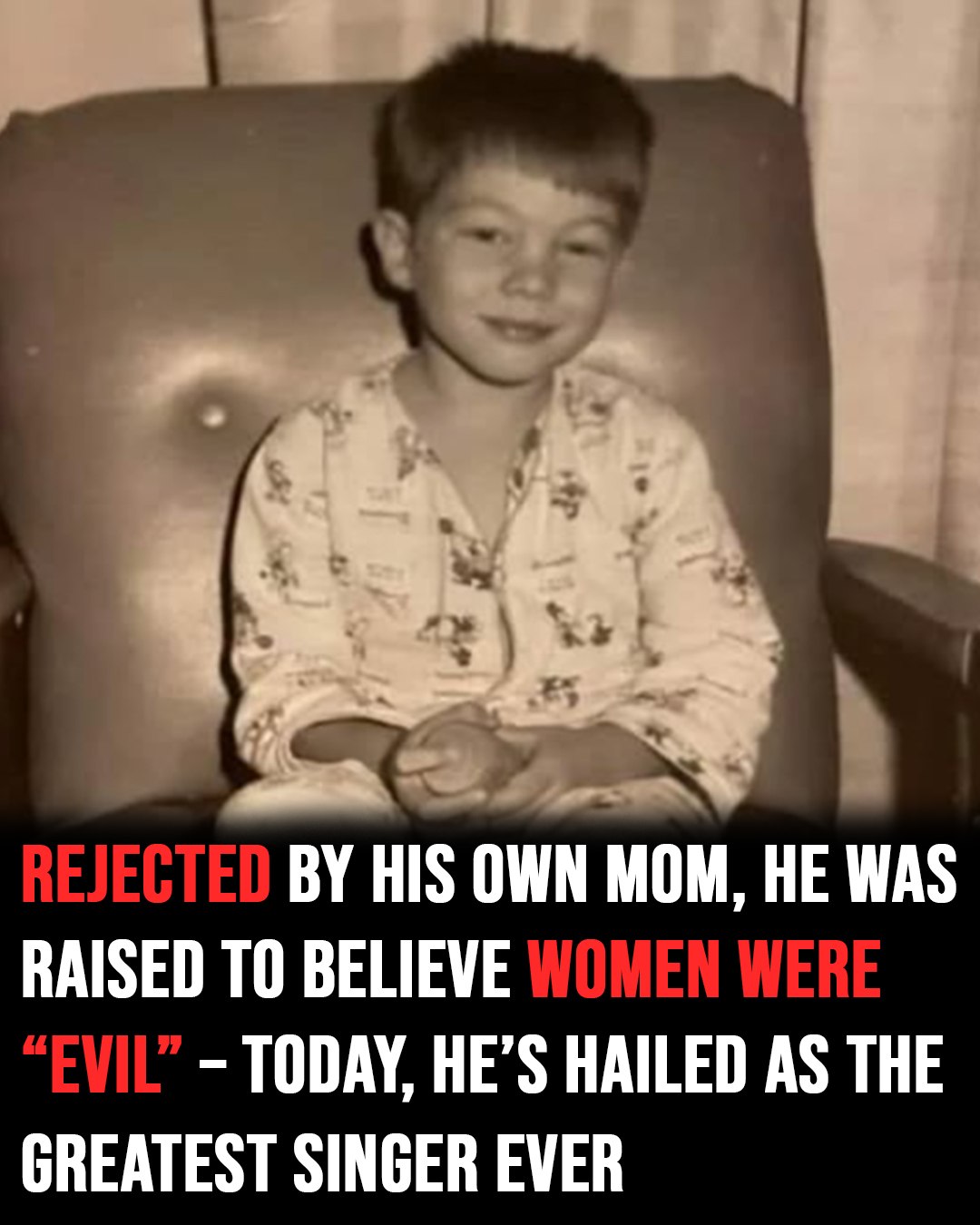
William entered the world on a cold February day in 1962 in Lafayette, Indiana. His young mother was just 16, and his biological father, William Bruce Rose, was a charismatic but troubled local delinquent. The couple split when William was about two. What followed was the first indelible scar: his father abducted him, allegedly abused him, and then vanished entirely from Lafayette.
This act of abandonment and trauma set the stage for a life built on a lie. His mother soon remarried Stephen L. Bailey, and little William’s name was formally changed to William Bruce Bailey. Until he was 17, he genuinely believed Bailey was his real father, growing up in a home shadowed by deep, systemic deception and fear.
The Bailey household was defined by an intense, fundamentalist strain of Pentecostal religion. William attended church several times a week, taught Sunday school, and lived under a rigid moral code that policed every aspect of life. Looking back, Rose described the environment as utterly suffocating, a psychological prison disguised as piety.

“We’d have televisions one week, then my stepdad would throw them out because they were Satanic,” he once recalled. The rules were arbitrary, controlling, and centered on crushing anything joyful, spontaneous, or sensual. The worst of these was the dogma directed at the opposite sex: “Women were evil. Everything was evil.” This toxic theological framework became the twisted lens through which the future rock star would view half of humanity, establishing a foundation of fear and distrust that would manifest decades later in devastating ways.
The constant policing extended even to innocent moments. Once, when the sweet, hopeful melody of Barry Manilow’s song Mandy came on the radio, the young boy sang along—a moment of pure, unadulterated musical delight. His stepfather cuffed him violently over the head, deeming the secular song “evil.” This taught William a horrifying lesson: his innate love for music, his deepest source of escape, was dangerous and deserving of punishment.
The Mother’s Betrayal: A Scorned and Rejected Child
The trauma was compounded by the mother’s inability or unwillingness to protect him. Rose later spoke with raw, unvarnished pain about the physical and emotional abuse he suffered at the hands of his stepfather, and his mother’s passive complicity. This dynamic created an emotional scar deeper than any physical wound.
In a poignant interview with Rolling Stone, he reflected on the source of his future volatility in relationships: “I’ve been doing a lot of work and found out that I’ve had a lot of hatred for women. Basically, I’ve been rejected by my mother since I was a baby.”
He saw the abuse as a choice his mother made, prioritizing her marriage over her child’s safety. “She picked my stepfather over me ever since he was around and watched me get beaten by him. She stood back most of the time. Unless it got too bad, and then she’d come and hold you afterward. She wasn’t there for me.”
This feeling of profound abandonment and rejection by the first woman in his life was the crucible in which the adult Axl Rose was forged. The rock star’s notorious volatility, his unpredictable anger, and the subsequent devastating chaos in his romantic life were all terrifying echoes of a boy who felt betrayed and unsafe in the only home he had ever known. He was an emotional landmine, constantly anticipating the next blow, the next act of rejection.
Adding to the emotional devastation, his biological father—the source of the first trauma and the face he never knew as an adult—was murdered in 1984 in Marion, Illinois. By the time of his father’s death, William had already begun his journey of self-reinvention, but the violence surrounding the man he never got to confront underscored the dangerous, unstable legacy he was trying to outrun.